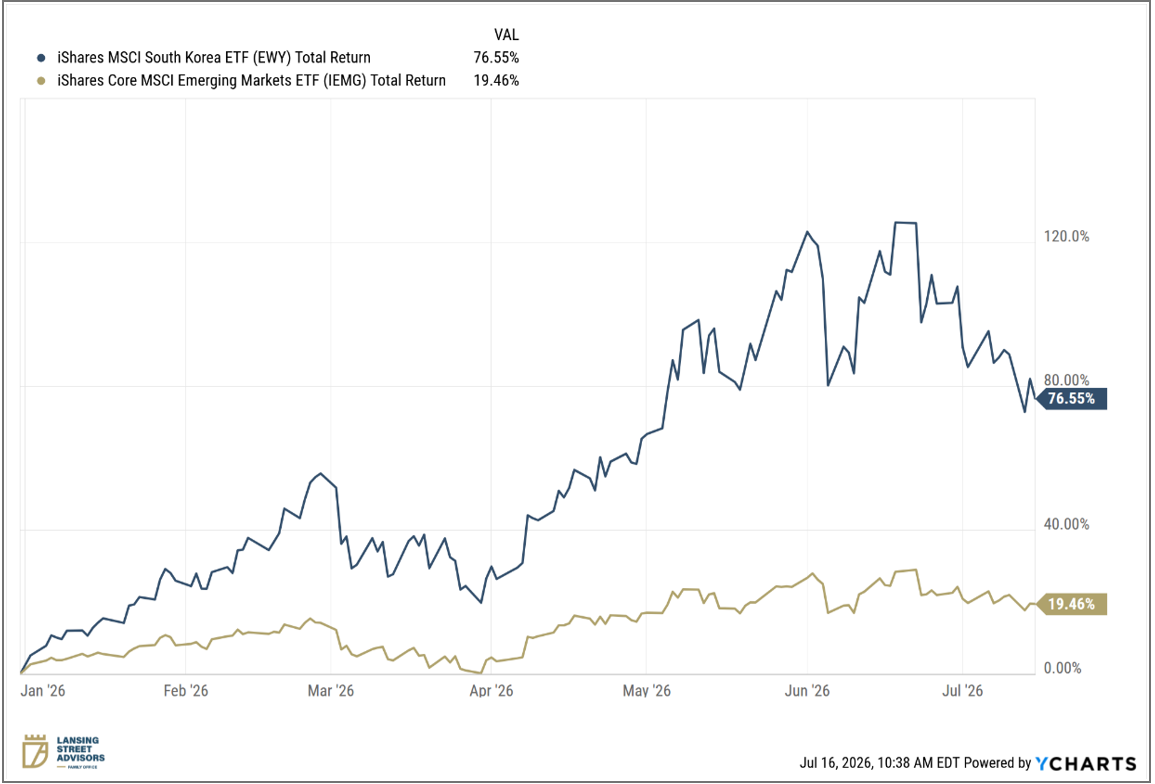
For most of the last decade, memory chips were the semiconductor world's discount rack — a commodity that ran in brutal boom-and-bust cycles driven on slow changes to supply and demand that ebbs and flows with phones and PCs. In 2026 that script broke.
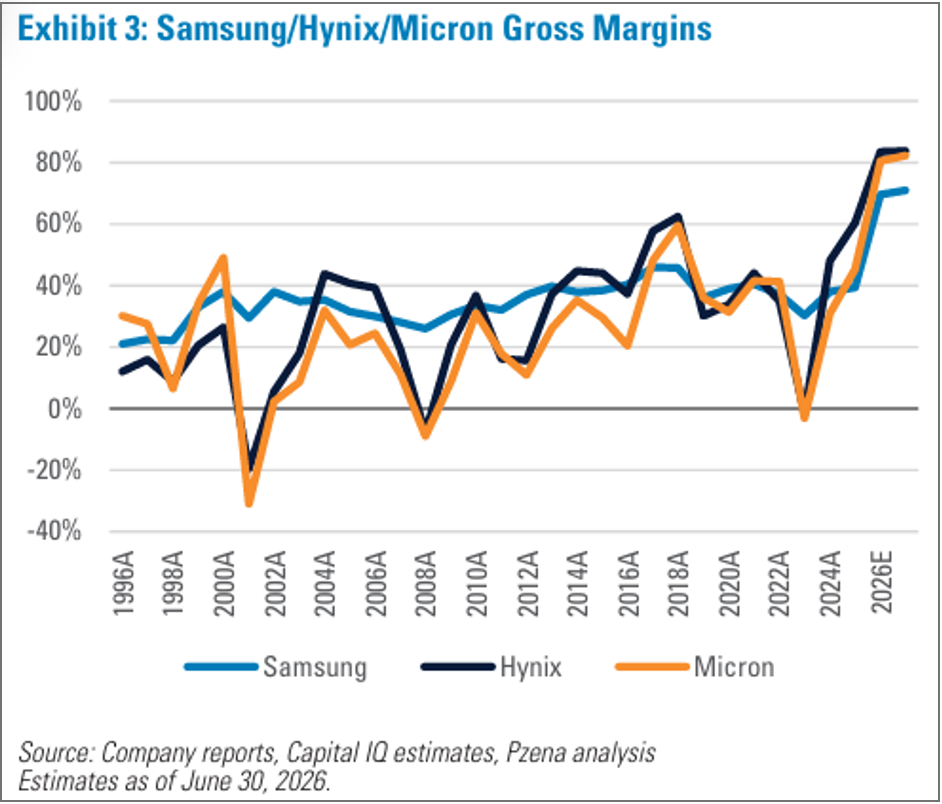
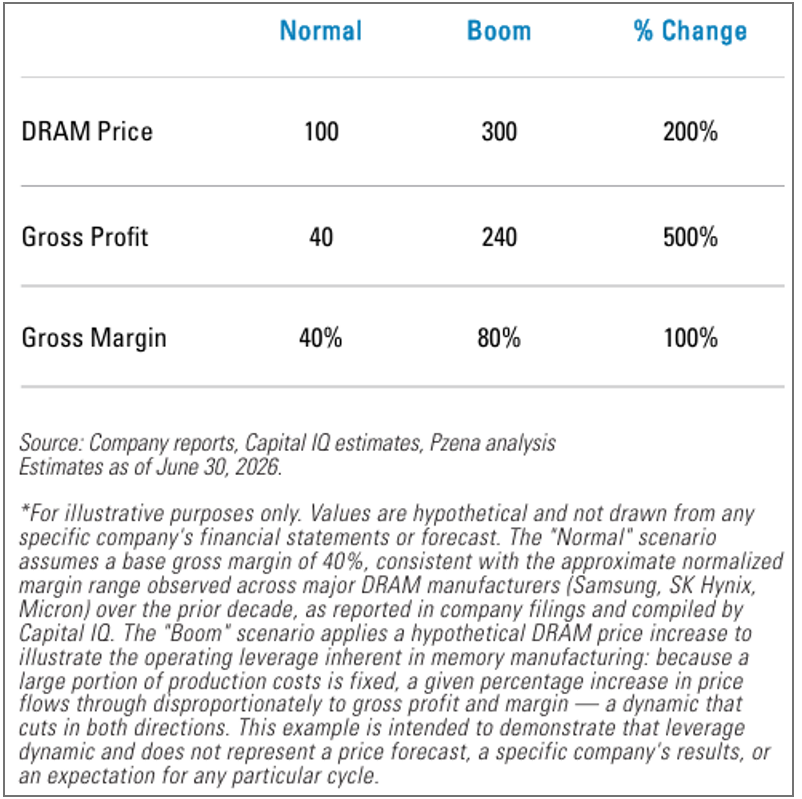
The culprit is AI: the data centers racing to build it are ravenous for a specialized, high-speed variety of memory (the industry calls it high-bandwidth memory, or HBM), and the handful of companies that make it — Samsung, SK Hynix, and Micron — have redirected the bulk of their most advanced production toward it. The result is a classic supply/demand imbalance: contract prices for standard memory jumped roughly 90% in the first quarter of the year. This graphic does a good job of explaining some of the financial implications. We have stable input costs, soaring prices, and gross margins that even Nvidia would be jealous of.
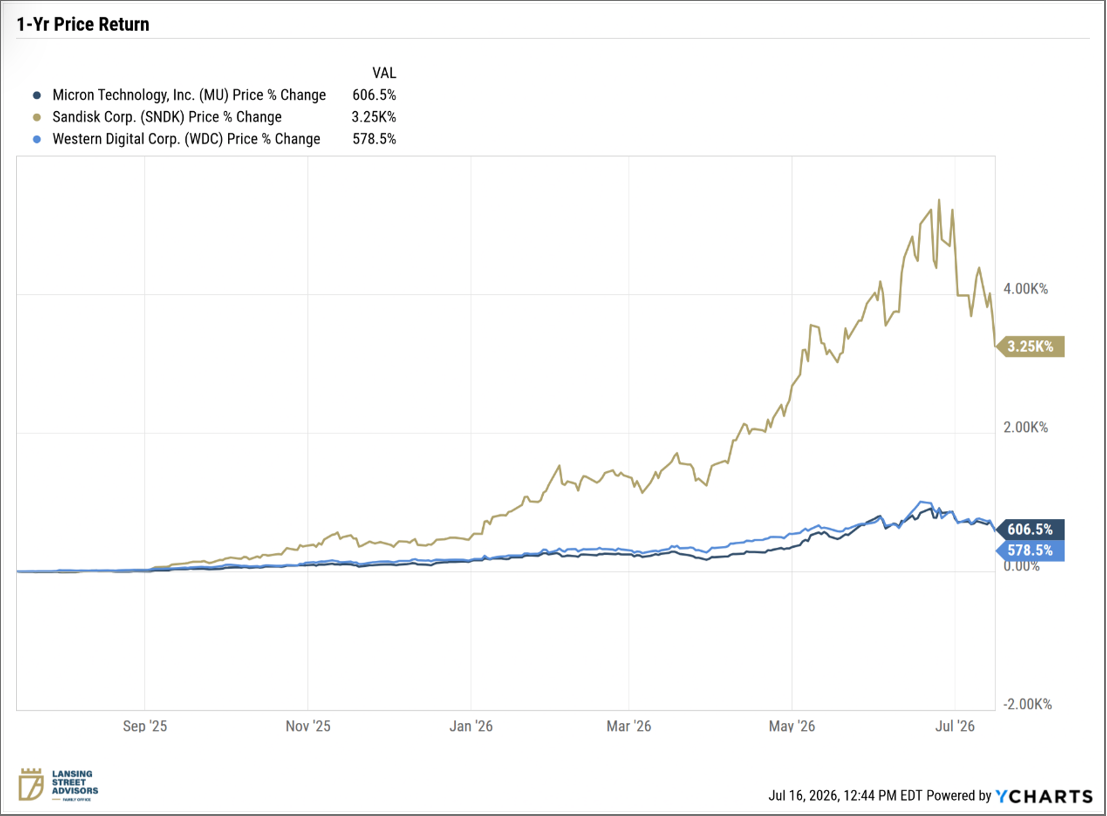
Unlike past booms, the manufacturers have largely resisted the temptation to flood the market with new capacity — which is a big reason shares of memory makers like Micron and Western Digital have posted triple-digit gains. Look at the stocks of the three main memory players in the US over the last one year, namely Micron (MU), Sandisk (SNDK), and Western Digital (WDC). As Larry David would say, pretty pretty pretty good.